
Resources for Family Safety
Effective Elopement Prevention Tips for Direct Support Professionals
Direct Support Professionals (DSPs) are the backbone of the care community, providing more than just supervision; they offer a lifeline to independence for individuals with intellectual and developmental disabilities. However, this noble work comes with significant high-stakes responsibilities, particularly regarding the safety of those prone to wandering or elopement. As we recently recognized National Caregivers Day on Feb. 20, it is the perfect time to evaluate how we support those who support our most vulnerable. Elopement prevention for DSPs is becoming a nationally recognized necessity, given recent events that are relevant nationwide.
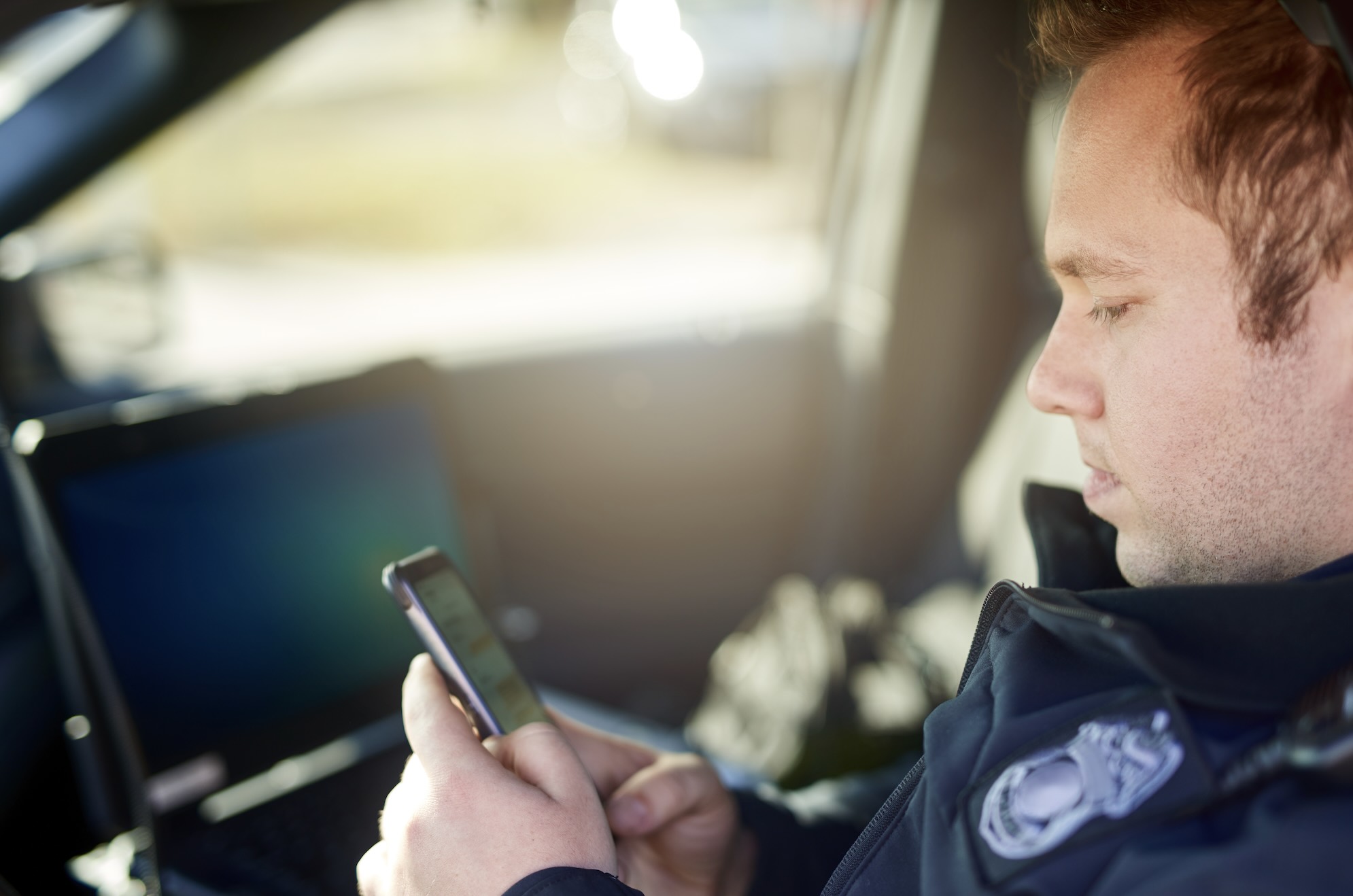
“The weight of responsibility a caregiver carries is immense, and when a person under your watch wanders off, that weight becomes an unbearable panic,” says Chuck Still (Ret. Detective), Founder of My Family ID. “I’ve spent 30 years in law enforcement seeing these moments of crisis. Parents and professional caregivers deserve a way to fight back against the clock with immediate, biometric data.”
What Is Elopement Risk?
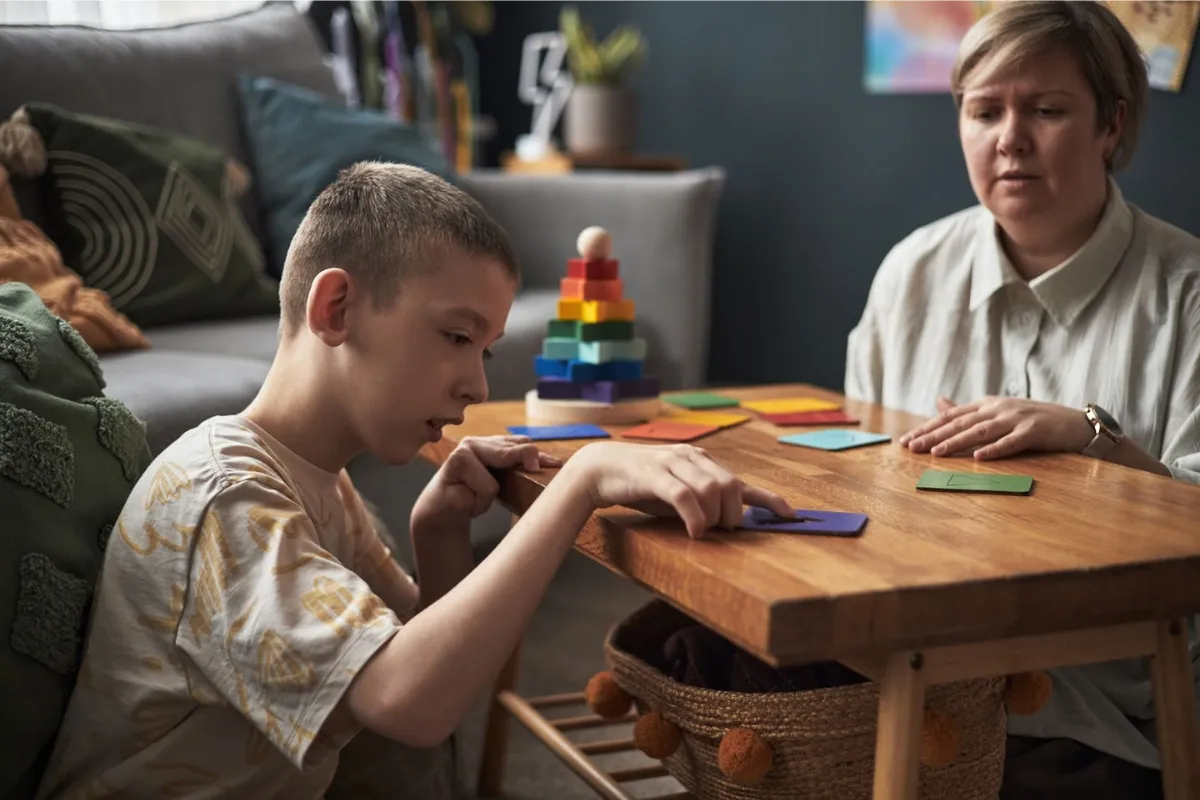
Elopement, or wandering, is more than a "walkabout." For individuals with autism or cognitive impairments, it is often a goal-directed flight or a response to sensory overload.
A recent story shared in a local Irvine, CA Facebook community group serves as a stark reminder of these risks. A child eloped from a teacher’s care and was eventually located by the Irvine Police Department. While this specific incident was reported by a community member and not officially confirmed by the department or My Family ID, the narrative is a familiar one for professionals: a mother recounting the terror of her son being missing.
These events happen in the blink of an eye, often despite the presence of alarms and dedicated staff.
Elopement prevention for DSPs starts with identifying high-risk triggers for those under their care. These can include:
Transitions: Moving from one environment to another (e.g., leaving a vehicle to enter a building).
Sensory Overload: Loud noises or crowded spaces that trigger a "flight" response.
Targeted Interests: A fixation on water, traffic, or specific bright lights.
What Are Some Key Steps in Elopement Prevention?
Creating a secure environment is the first line of defense in elopement prevention. This involves more than just locking doors; it requires a strategic assessment of the physical space. High-functioning security modifications include installing chimes on exit points, using window limiters, and placing visual "stop" signs on doors, which can act as a cognitive barrier for some individuals.
Structure is equally vital. Elopement behaviors often decrease when an individual feels a sense of predictability. By establishing rigorous daily routines, elopement prevention for DSPs becomes a reality because the anxiety that leads to wandering is minimized. However, even the most structured environment is not foolproof. When environmental barriers fail, technology must step in to bridge the gap between a disappearance and a safe recovery.
“In my three decades as a juvenile detective, I learned that hope is not a search strategy,” Still notes. “Direct Support Professionals do vital work within our community, and it’s crucial that they, along with family members of those who might be at-risk for wandering, have a plan in place. When elopement happens, you don't have time to go looking for a paper file in a cabinet or a photo in an album. ”
Related Article: The App That Helps in the Search for Missing Kids
What Is the Role of Assistive Technology and Biometrics in Elopement Prevention?
While wearable GPS trackers are a popular tool, they are often the first thing an individual removes when they feel restricted. This is where biometric identification becomes the superior "Plan B." My Family ID leverages cutting-edge technology to store digital fingerprints and facial recognition data directly on a smartphone.
For Direct Support Professionals, having this data means that if a wandering incident occurs, they can instantly share a high-resolution, comprehensive, law-enforcement-ready profile with first responders. This profile includes biometrics that allow police to use AI to scan CCTV footage in minutes rather than hours. In the context of the Irvine incident, having such a tool ensures that the missing child or the disoriented adult can be identified and reunited with their caregivers the moment they are spotted by the public or police.
How to Develop a Robust Missing Person Protocol
Every organization employing DSPs should have a formal missing person protocol that is practiced with the same frequency as a fire drill. This protocol should include:
Immediate 911 Notification: Never delay the call.
The "Golden Profile" Deployment: Utilizing My Family ID to blast the individual's current photo and biometrics to the arriving officers.
Search Assignment: Designating specific staff to check high-risk areas like nearby water or busy intersections.
Effective crisis management relies on the quality of information provided to law enforcement. Standard descriptions like "wearing a blue shirt" are helpful, but biometrics like digital fingerprints and quality facial and body scans are definitive. They remove the guesswork for officers who may encounter an individual who is non-verbal or unable to identify themselves due to their developmental disabilities.
Supporting Direct Support Professionals
National Caregivers Day is a reminder that the mental health of the Direct Support Professionals is intrinsically linked to the safety of the individual they care for. Professional caregivers often suffer from "hyper-vigilance fatigue." Using assistive tech like My Family ID reduces the cognitive load on the caregiver. Knowing that you have a secure, encrypted "digital ID" in your pocket provides a level of peace of mind that allows a DSP to focus on person-centered care rather than constant surveillance.
The Irvine story, while harrowing, ended with a safe recovery. But we cannot rely on luck. As a DSP, your expertise is in human connection; let technology handle the technicalities of emergency preparedness. By integrating digital fingerprinting and facial scanning into your standard of care, you are not just watching over someone—you are actively protecting their future.
“The goal of My Family ID is to ensure that if the unthinkable happens, the transition from 'missing' to 'found' is as short as possible,” Still concludes. “Whether you are a professional or family caregiver, when minutes count, you should have the tools necessary to save a life.”
Related Article: The App Helps in the Search for Missing Kids
Download The My Family ID Mobile App Today
Don’t wait for an emergency to take action - download the My Family ID app today and take the first step toward ensuring the safety of those in your care. With just a few clicks, you can set up a digital ID, giving you peace of mind that your individuals will be protected. It’s one of the simplest and most effective ways to manage elopement risks.
Take the first step now. Download My Family ID from the Apple App Store and Google Play, and gather the critical information that could make all the difference in an emergency.


Download now!
My Family ID is the only Child ID & Senior ID app with in-app Fingerprinting & Face Scanning. Get digital IDs for your whole family easily with a one-time app payment — no subscriptions, physical scans, or paper ID kits required. Download it now!